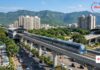


Gurugram stands at a crossroads. Despite boasting world-class infrastructure, gleaming corporate towers, and expanding metro connectivity, the city remains choked with traffic. The paradox is striking: even as rapid metro line flows through the urban landscape of Golf Course Road, the parking lots of gated colonies overflow with personal vehicles. The aspiration of every household to own multiple cars has created a mobility crisis that threatens the city’s livability and environmental sustainability.
The solution lies in building more transport infrastructure & solutions, but in also fundamentally reimagining how we live, work, and move. This transformation requires a three-pronged approach: shifting public mindsets about mobility, redesigning how gated communities are planned and built, and fostering a culture of responsible citizenship. Gurugram, with its young demographic, technological comfortable purses and savvy, growing environmental consciousness, is uniquely positioned to lead this urban revolution.

Transforming public perception: From status symbol to smart choice
The first and perhaps most challenging battle is cultural. In Gurugram’s aspirational middle class, car ownership has long been equated with success and social standing. A two-car household is seen as a marker of having “made it.” Owning luxury cars is a status symbol. Breaking these associations requires a comprehensive strategy that reframes public transport as the intelligent, modern, and socially responsible choice. Rather than travelling by Metro needs to be associated as a status markup.
Awareness campaigns must go beyond dry statistics. The Gurugram Metropolitan Development Authority (GMDA), working with resident welfare associations, schools, and corporate employers, should launch compelling campaigns that showcase real savings. A typical daily commuter travelling from Sikanderpur to Cyber City spends approximately ₹200 on fuel and parking, compared to ₹60 on the metro. Over a year, that’s a saving of ₹35,000—money that could fund a family vacation or investment. Add to this the health benefits of walking to metro stations, the reduction in stress from not navigating traffic or hunting for parking spots, and the environmental impact of lower carbon emissions, and compelling.
Recognition programs can tap into competitive spirit. Corporate campuses could introduce “Green Commuter of the Month” awards, offering benefits like priority parking for carpoolers or premium cafeteria vouchers. Schools could celebrate “Metro Champion Families,” teaching young people and creating peer pressure that works positively. Digital incentives through metro apps—offering Paytm cashback, loyalty points, or even priority boarding during rush hours—can make every journey feel rewarding.
The critical missing link, however, is the first and last mile connectivity. Metro stations remain islands of modernity surrounded by hostile pedestrian environments. Walking from metro/ bus stops to many residential colonies means navigating broken footpaths, missing crossings, and inadequate lighting. Pedestrian infrastructure is hijacked by parking, garbage and unauthorised occupation. The solution requires dedicated e-shuttle services, protected cycling lanes, and pedestrian-friendly infrastructure with sheltered walkways, seating, and proper signage with regulatory discipline. Integration is key—a single app could allow commuters to plan their entire journey, seamlessly combining metro travel with feeder services like e-rickshaws or shared autos.
Community-driven accelerate initiatives can change. Resident welfare associations should organise shared e-van or e-rickshaw services connecting their colonies to the nearest metro station. Corporate campuses could mandate “CarFree Fridays,” transforming the weekly ritual into a celebration with music, food stalls, and networking opportunities. Areas like Sector 29, Cyber Hub, and DLF City could become monthly car-free zones, demonstrating what pedestrian-friendly urban spaces could feel like.
Rethinking development: Building transit-oriented communities
The second transformation must happen at the drawing board. Gurugram’s gated colonies, designed in an era of cheap fuel and before metro connectivity, are fundamentally automobile-centric. High walls separate these enclaves from their surroundings, forcing residents to drive even for short trips. Changing this requires both regulatory reform and developer incentives.
Transit-Oriented Development (TOD) principles must become mandatory, not optional. The Haryana government’s TOD policy exists, which needs to be aggressively followed up with guidelines promoting walkability. Buildings within 500-800 meters of metro stations receive higher Floor Area Ratio (FAR) incentives in exchange for reduced parking requirements. Why should a building 200 meters from a metro station provide high parking spaces per apartment when residents could easily walk to the station? Shared parking should also be enabled through innovative models. Direct Foot Over Bridges to development should be made a norm.
Builders need carrots alongside sticks. Additional FAR or green building rating credits should be offered to developers who provide direct pedestrian access to metro stations, fund feeder vehicle services, or create shared electric vehicle pools within their communities. Projects that successfully reduce per-capita car ownership among residents should receive recognition and marketing advantages as “sustainable communities.” Larger apartments with large but empty parking’s in the basement are required to be suitably addressed.
Design interventions can reshape daily behaviour. Instead of isolated cul-de-sacs that force residents to drive out of colonies for everything, new developments should feature internal street grids that connect to surrounding areas. Within societies, “Mobility Hubs” near gates could offer e-cycles for rent, designated carpool pickup zones, and parcel collection points. Some progressive societies are experimenting with shared community electric vehicles—a pool of EVs that residents can book for specific trips, eliminating the need for each family to own multiple cars and reducing the family chore of drop off & pickups.
The parking paradigm must shift. Rather than mandating maximum parking, regulations should mandate optimum parking—capping the number of spaces to discourage car ownership. Residents who opt out of parking should receive rebates in maintenance fees, creating financial incentives for car-lite living. The space freed up could be transformed into green spaces, play areas, or community centres.
Cultivating civic responsibility: Making public transport aspirational
The final transformation is cultural—making the use of public transport a marker of being a responsible, forward-thinking citizen rather than a last resort and option for have, have-nots.
Social messaging must leverage influence. When Gurugram’s startup founders, corporate leaders, and social media influencers publicly share their metro journeys, it normalises the behaviour. A “Gurugram Moves Together” campaign featuring recognisable faces—from the CEO taking the metro to office to students travelling to coaching classes—can shift perceptions. Staff themselves should be reimagined as “mobility ambassadors,” trained not just in operations but in community engagement and courteous service.
Education must start young. School curricula should include modules on sustainable mobility, urban planning, and environmental responsibility. “Metro Walk Days,” where students, accompanied by RWA members, trace last-mile routes, can identify problems and build familiarity. When children grow up seeing public transport as normal and desirable, they’re less likely to see car ownership as essential to their identity.
Governance must become transparent and participatory. GMDA’s/ MCG’s Smart City dashboards should publicly display mode-share targets and progress, creating accountability. A citizen reporting app for unsafe footpaths, missing signage, or inadequate lighting would crowdsource problem-solving while giving residents ownership of solutions. RWAs could be scored on a “Mobility Responsibility Index” based on public transport usage, pedestrian safety, and lastmile connectivity—with high-performing societies receiving recognition and tangible benefits like lower property taxes or accelerated permissions for common area improvements.
Corporate engagement can drive scale. Major employers in Cyber City and Udyog Vihar could launch a “Green Commute Challenge,” competing on what percentage of employees use public transport. Winners could receive certification points or government recognition. Companies might subsidise metro passes for employees while reducing parking subsidies, realigning incentives toward sustainable choices.
The path forward
Transforming Gurugram’s mobility culture won’t happen overnight. It requires coordinated action from government agencies, private developers, corporate employers, RWAs, and individual citizens. But the potential rewards are immense: less congested roads, cleaner air, healthier residents, more livable neighbourhoods, and a city that becomes a model for sustainable urban development.
The infrastructure is already in place and more such initiatives are coming up or are in the pipeline. Some metro lines already exist; some stations are already built. What’s missing is the ecosystem of policies, incentives, services, and cultural shifts that make using them the obvious choice. Gurugram has always prided itself on being forward-thinking and aspirational. Now is the time to demonstrate that the most aspirational choice of all is building a sustainable, connected, livable city—one metro ride at a time.
The question isn’t whether Gurugram can change, but whether it will seize this moment to lead India’s urban mobility transformation. The answer will be written in the daily choices of millions of residents, the decisions of developers and policymakers, and the collective will to reimagine what it means to live in a truly modern city.
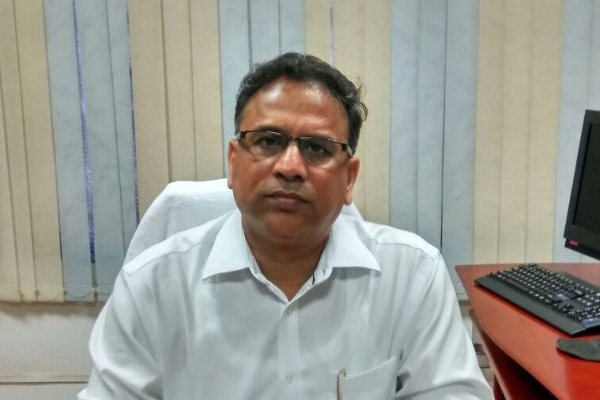
Views expressed by: Dr. Namrita Kalsi, Chief Architect, Haryana Mass Rapid Transport Corporation Ltd. (HMRTC)/ Gurugram Metro Rail Ltd. (GMRL)