

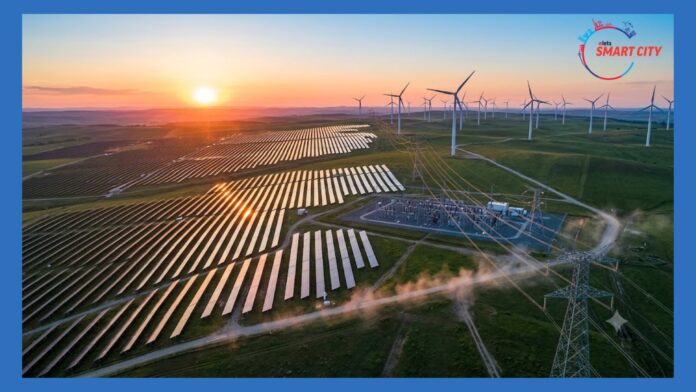
The planned network would be India’s highest-voltage transmission system, reports said, at an estimated cost of about 68,800 crore rupees.
India’s national transmission panel has approved a 1,150-kV transmission corridor linking the western and eastern regions, according to minutes released late Tuesday, Nov. 10. The project is estimated to cost nearly ₹68,800 crore and take about six years to complete.

The network would carry more power than the current system. The proposed 1,150-kV network offers substantially higher transmission capability compared to the existing 765-kV system, and it minimizes the need for multiple EHV transmission corridors.
ALSO READ: India-Germany Energy Cooperation
Why the 1,150-kV Network Reduces Transmission
The ultra-high-voltage 1,150-kV transmission corridor will lower transmission losses, optimise right-of-way land use, and avoid the need for multiple parallel lines. Operating at 1,150 kV instead of 765 kV reduces the electrical current required to carry the same quantum of power, cutting resistive conductor losses while planners factor in 660-MVAr reactors to manage reactive compensation and line charging.
Route, Capacity, and Phased Implementation Timeline
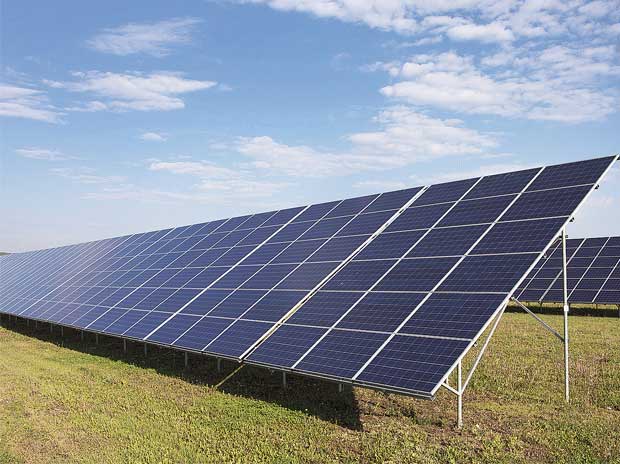
The first phase would link Chhattisgarh, Odisha, and West Bengal. It would also connect with a 6,000-megawatt high-voltage transmission system carrying renewable power from Rajasthan’s Bhadla solar region. Government minutes from September describe that link as a 800-kilovolt, 6,000-megawatt HVDC line from Bhadla-IV to Raigarh Kotra-III.
The combined length of the corridor over both phases will reach around 3,750 circuit-kilometers with transformation capacity of 66,000 megavolt-amperes, the September minutes noted. Early planning papers refer to a six-year timeframe. Phase II shall be implemented in a phased manner based on the suggestions received from GRID-INDIA depending upon the real rise in load in Odisha and Maharashtra.
ALSO READ: Green Targets
Industrial Decarbonisation and Green Hydrogen Demand
The 1,150-kV transmission corridor is designed to move power from western states such as Rajasthan toward growing industrial demand in the east, including Odisha. In eastern India, the corridor is geared toward powering upcoming green hydrogen, green ammonia, steel, petrochemical, solar PV, and EV manufacturing hubs in Odisha, particularly around Paradeep and Gopalpur.
The Central Electricity Authority noted that about 12 gigawatts of green hydrogen and green ammonia demand was considered, while the modeled loading on the corridor was about 3 to 3.5 gigawatts. Grid planners including GRID-INDIA and GETCO have flagged that the realisation of projected green hydrogen loads remains uncertain, making timely industrial connectivity and the completion of the Bhadla-IV HVDC renewable link critical to meeting India’s 2030 non-fossil and green hydrogen targets.