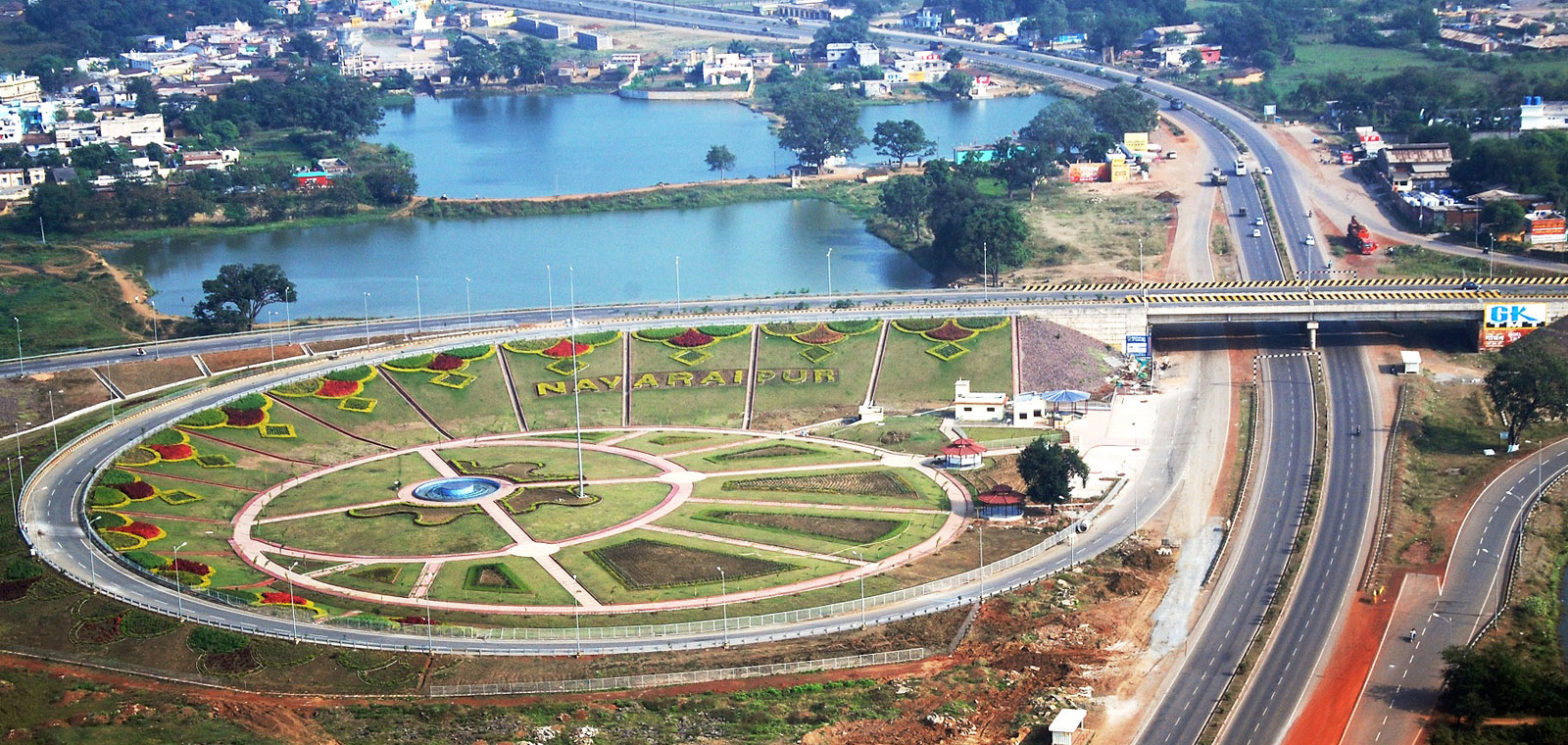


Indian AI start-ups are tackling two of urban India’s most persistent administrative problems: fragmented land records and deteriorating roads. Landeed aggregates land-record data to support Landeed land title verification, while at least half a dozen start-ups map road damage and report it to authorities. Together, they show how AI in urban governance is moving from pilots into everyday civic work.
Why land records and roads slow urban projects
India follows presumptive titling, which means the buyer must establish ownership. A sale deed alone may not be enough. Proving title can require building certificates, property tax receipts and land survey maps. The BBC reports that property disputes account for a bulk of civil litigation, and that about 80 percent of household wealth is held in real estate.

Digitising land records in India
Landeed was founded after its founder, Sanjay Mandava, spent months collecting records for a family land dispute in Chennai. The platform aggregates data from state revenue departments, registration offices, survey records and municipal databases. An AI layer reads titles, extracts information and flags inconsistencies within minutes, a task the BBC says takes lawyers and brokers several days.
The BBC reports that Landeed holds 1.8 billion title documents and that millions of individual and enterprise customers use the app for property transactions.
ALSO READ: Survey records and municipal databases
AI road maintenance diagnostics: from complaints to data-backed repairs
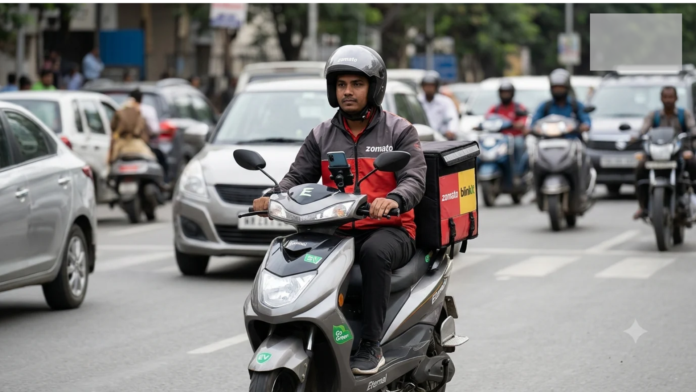
At least half a dozen Indian start-ups use AI to map and report road damage to authorities. One, built by YouTube teacher Gaurav Sen, uses dash-cam footage, satellite navigation and an AI vision model to detect potholes. It then identifies the civic officials responsible for fixing them and sends them the data.
The Centre is also testing AI on rural PMGSY roads using phone videos. Engineers still physically verify each defect and compare their measurements with the system’s findings.
Municipal digital transformation and Smart City infrastructure in India
Fractal Analytics civic tech reaches beyond land and roads. Fractal Analytics, a listed AI company, has deployed its tool Vaidya in hospitals run by the Mumbai civic authority. It gives citizens simplified summaries of lab reports, provides doctors with pre-consultation support, and gives administrators a public health dashboard built from anonymised lab data.
ALSO READ: Smart City infrastructure
The hurdles to scale
Many start-ups struggle to turn pilots into recurring government contracts. Fractal co-founder Srikanth Velamakanni says building in India can cost more than Indian customers are willing to pay. Chip scarcity is another constraint. Landeed’s Mandava says he is “starved for GPUs,” and the government has promised start-ups 38,000 GPUs, while demand far exceeds supply.
The shift from manual inspection to data-backed maintenance is under way. Whether these tools reach Smart City agencies at scale will depend on procurement, compute access, and whether pilots become contracts.