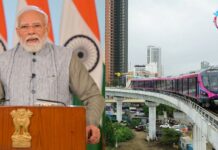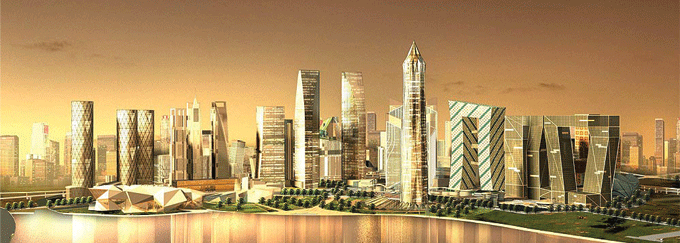


Ahead of GIS 2027, Madhya Pradesh Chief Minister Mohan Yadav inspected the urban development model of Andhra Pradesh capital, Amaravati, on Saturday, October 17, 2026. He extended a warm invitation to regional business leaders to participate in the upcoming summit. The briefing was given by Amaravati Capital Region Development Authority (APCRDA) at its offices in Rayapudi. The report included Commissioner V. Vijayaramaraju and Additional Commissioners A. Bhargava Teja and T. Rahul Kumar Reddy. Officials named were Kollabattula Karthik and Abhishek Kumar. Officials of APCRDA presented to the Chief Minister on the vision, urban master plan, and operational execution of Amaravati.
ALSO READ: Smart and sustainable urban development

Digital Twin Platform & Infrastructure
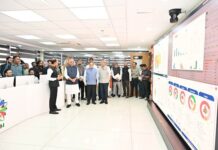
The master plan, infrastructure efforts, technologies for urban governance, and long-term growth plans were all presented by officials via the Digital Twin portal. Throughout the conversation, topics such as projected urbanisation and the development of critical infrastructure were discussed. Meanwhile, the Amaravati Integrated Command and Control Center, located inside the APCRDA administration building, was toured.
ALSO READ: Urban mobility and sustainable innovation
Invitation to Andhra Pradesh Investors for GIS 2027
In Vijayawada, the Chief Minister met with industry leaders and investors in one-on-one talks. During the meetings, topics such as investment prospects, the industrial climate, and the policies of Madhya Pradesh that are favourable to investments were discussed. All those in attendance had been given an invitation to participate in GIS 2027 and to make investments in the state. ” The state government is continuously working to promote industry and investment in the state,” said Yadav. The goal of the visit was threefold: to examine the urban development model that Amaravati has implemented, to investigate the possibility of working together, and to solicit investment into Madhya Pradesh prior to the summit. Instead of seeing the visit as a commitment, readers should regard it as a review and an invitation.
ALSO READ: Socio-economic inclusivity in smart cities