Smart sensors. Predictive analytics. Digital transformation. Bengaluru’s water utility, better known as the Bangalore Water Supply and Sewerage Board (BWSSB), has started to acquire precise, operational meaning. The question worth asking is not whether BWSSB is deploying AI, but what exactly it is deploying it for and whether the technology is solving the right problems.
The Scale of the Problem
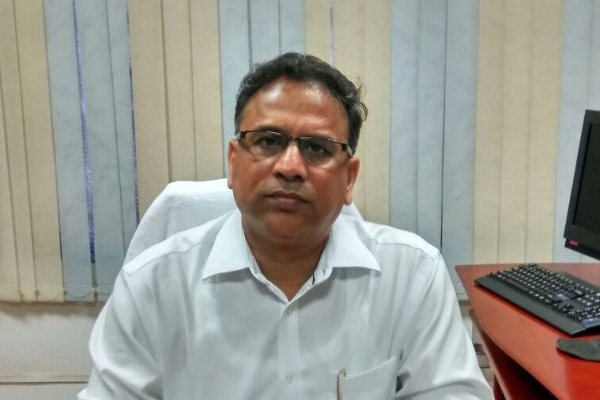
“Data-driven technologies have the potential to transform how cities manage water resources.” – BWSSB Chairman Ram Prasath Manohar V
BWSSB supplies water to over 14 million residents across nearly 800 square kilometres, through more than 14,000 kilometres of pipelines. By any measure, it is a logistical challenge of enormous complexity. In 2013, non-revenue water, the share of treated water lost to leakage, theft, and billing failures before it reaches a paying consumer, stood at 51% between 2007 and 2013 (BWSSB’s Annual Financial Statements & Water Balance Reports). That figure represents not just financial loss but wasted energy, wasted treatment capacity, and unequal access for residents at the end of the distribution chain.
Leak Detection: From Helium to Robots
Two distinct approaches are being used to prevent what cannot be seen.
The first is helium gas-based hidden leak detection, a method in which helium is injected into pipeline sections and sensors trace its escape to pinpoint underground leaks without excavation. The approach is particularly useful for older network sections where the pipeline layout is inconsistent and conventional pressure monitoring gives inconclusive readings.
The second is more recent and more striking. Under a pilot funded by Titan Company Limited through its Titan Design Impact Awards programme, BWSSB (PTI, Jun 1) is deploying robotic inspection systems developed by a company called Solinas. These robots travel through water pipelines, mapping structural defects, blockages, and leakages that conventional surface-level monitoring cannot detect.
Running alongside this initiative is an AI system from SmartTerra, which uses acoustic sensing technology to identify underground leaks from surface-level readings and predictive analytics that flag pipeline sections at high risk of failure before they fail. Both are pilot-scale, funded externally, and not yet integrated into BWSSB’s core operational systems.
SCADA and the Command Centre
BWSSB operates what it describes as Asia’s largest AI-powered water management command centre, developed with technical and financial support from JICA, the Japan International Cooperation Agency. The command centre runs on SCADA architecture and integrates data from 78 pumping units through an Integrated Pumping Performance Management System. The practical output of this system is energy optimisation: BWSSB estimates annual savings of 6.8 crore kilowatt-hours, which translates to roughly Rs 42 crore in reduced operational expenses. Layered over the SCADA infrastructure is a digital twin combining GIS mapping, sensor data, and IoT inputs to simulate the full network in real time.
So theoretically, when pressure anomalies appear or a pump begins to perform outside expected parameters, the model can identify whether the cause is mechanical, a network configuration issue, or a sign of theft or diversion upstream. When pressure anomalies appear or a pump begins to perform outside expected parameters, the model can identify whether the cause is mechanical, a network configuration issue, or a sign of theft or diversion upstream.
ALSO READ: BWSSB Powering the AI-Driven Future of Water Management
Smart Metering: Targeted, Not Universal
Smart meters with AI-enabled consumption monitoring have been deployed to approximately one lakh non-domestic and high-rise connections, not to the full residential base. The targeting reflects both the cost of the technology and the reality that non-domestic consumption represents a disproportionate share of total water use and billing disputes. Billing itself runs through a centralised system called Sajala, which has historically created gaps between the water distributed and the water billed. A separate platform, Sanchari Kaveri, uses IoT sensors and RFID tracking to manage the city’s water tanker fleet, ensuring that drought-period deliveries are tracked in real time rather than recorded manually.
The gaps are worth naming. Acoustic and robotic detection remain pilot projects, not citywide programmes. Smart metering covers a fraction of total connections. The digital twin is a planning and monitoring tool rather than a real-time operational system capable of autonomous response. They reduce loss and improve efficiency within the current infrastructure. They do not solve the upstream problem of where the water will come from.