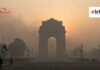


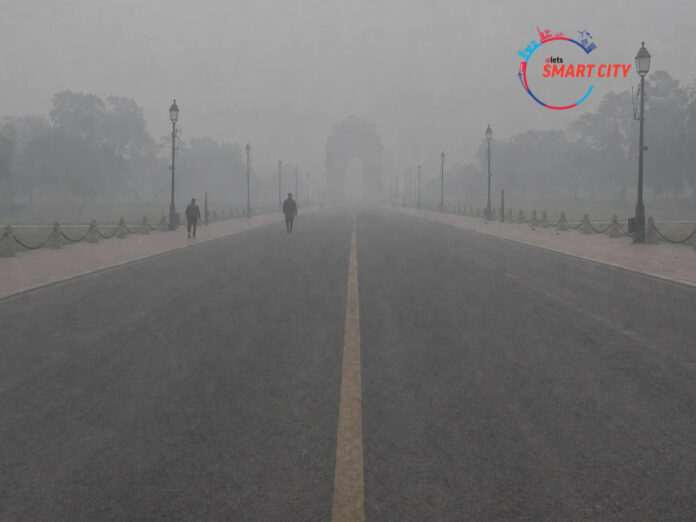
NEW DELHI — Delhi’s 24-hour average Air Quality Index was 376 on Sunday afternoon, in the “very poor” range, according to the Central Pollution Control Board’s 4 p.m. bulletin. The board put the city’s average at 368 at 7 a.m. Monday, according to Economic Times.
ALSO READ: Pre-Diwali air quality trends

The Commission for Air Quality Management, which coordinates pollution control across the National Capital Region, invoked Stage III of its Graded Response Action Plan across the NCR with immediate effect on Nov. 6. The Supreme Court allowed bursting of approved green firecrackers in Delhi-NCR on Nov. 7 and 8, with a full ban to resume Nov. 9, according to a court order reported by LiveLaw. 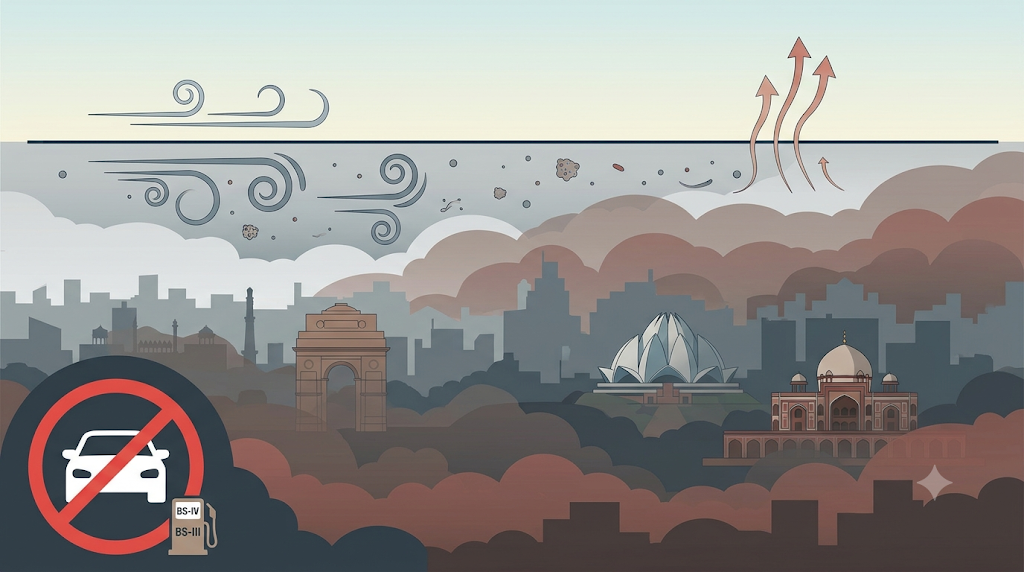
The commission said Delhi recorded a daily average of 382 that day, in the “very poor” category, according to the CPCB’s daily bulletin. It said forecasts from the India Meteorological Department and the Indian Institute of Tropical Meteorology indicated Delhi’s air would likely stay in the “severe” category in the coming days.
ALSO READ: CAQM’s PAVAN-I3C command centre
Bulletins and technical reports from the CPCB and the Commission for Air Quality Management describe several reasons the region’s air worsens in winter. First, cool air can be trapped beneath warmer air near the ground, acting as a lid that restricts vertical mixing. Second, slower winds in November and December reduce pollutant spread, leaving smog over the landlocked region. Third, lower temperatures and high humidity help gaseous emissions from vehicle exhaust, biomass burning and industrial combustion form secondary particulate matter.
Fine particulate matter, known as PM2.5, was the main pollutant in Sunday’s bulletin, which showed all 59 of the city’s monitoring stations reporting data. The board places AQI readings between 301 and 400 in the “very poor” category, where it says prolonged exposure can cause respiratory illness. Ghaziabad recorded 344 and Noida 318, both “very poor.” 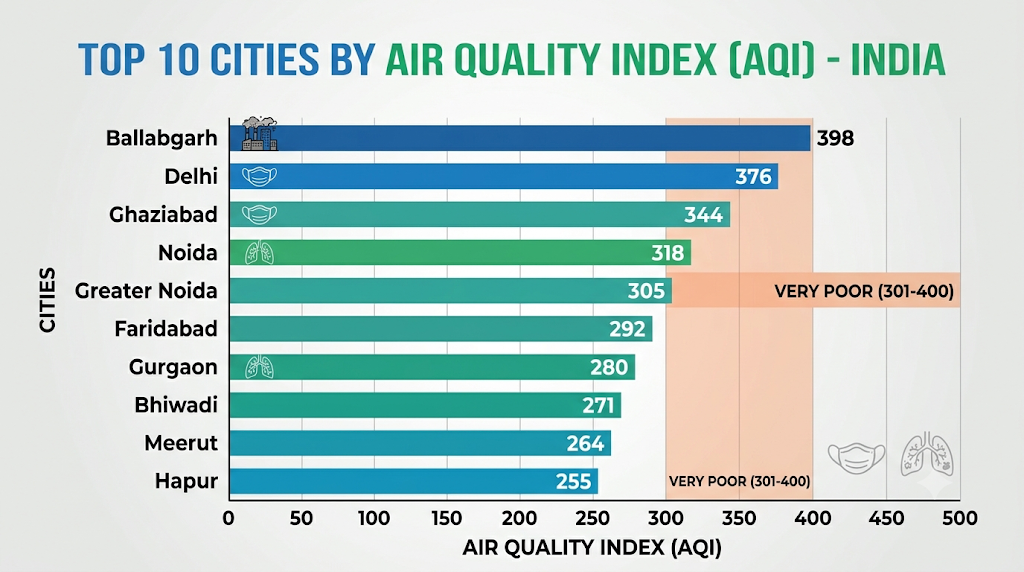
Schools across Delhi have been directed to adopt hybrid learning for students up to Class 5, allowing children to attend either in person or online, according to an order issued Nov. 6. Restrictions on older vehicles are also in place. The Stage III measures also include a ban on dust-generating construction and demolition activity across the National Capital Region.
Under Stage III, the commission urges residents to walk or cycle for short distances, combine trips, avoid burning coal and wood for heating, and postpone private gatherings.