When Haryana was carved out of Punjab in 1966, it inherited a modest fleet of 475 buses and three depots. Nearly six decades later, Haryana Roadways operates over 4,000 buses, covers more than 11 lakh kilometres daily, and serves 10 lakh passengers every day — a testament to its evolution from a conventional transport utility to a digitally empowered, eco-conscious mobility ecosystem.
A Giant Leap Towards Green Mobility
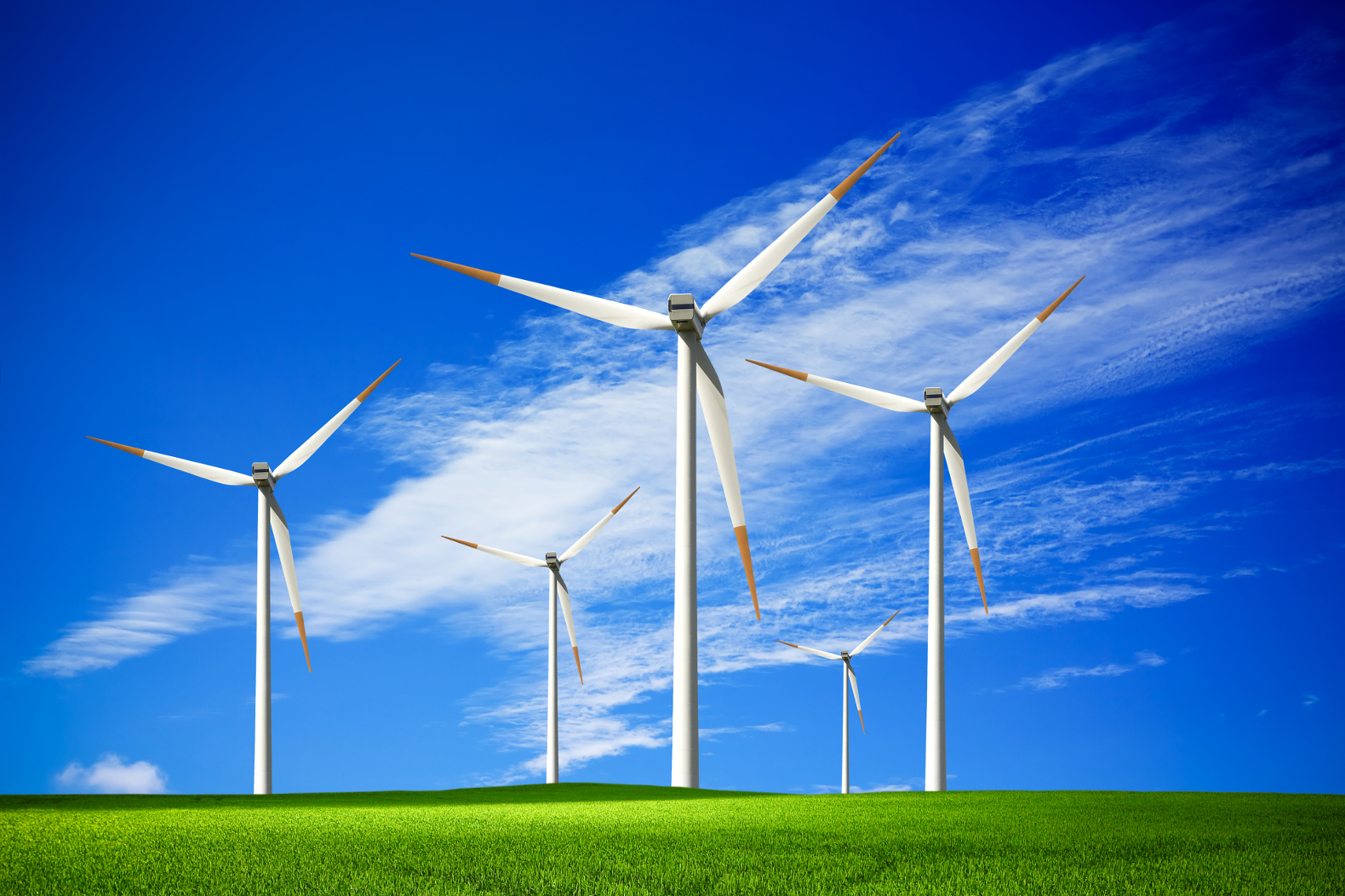
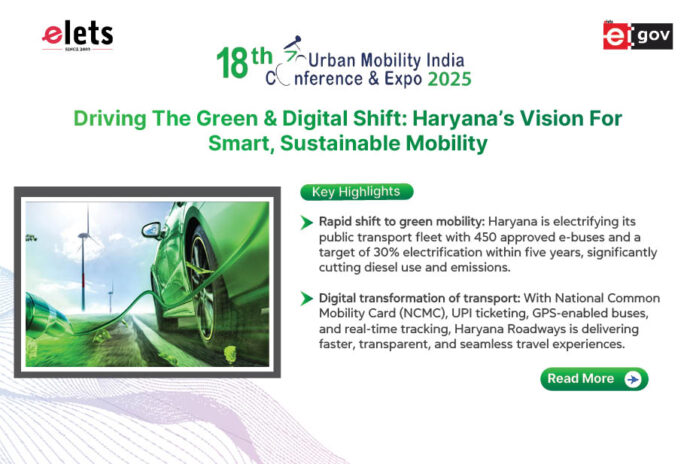
In line with India’s national mission for cleaner cities, Haryana has embarked on an ambitious fleet electrification programme. Under the PM e-Bus Sewa Scheme, the Ministry of Housing and Urban Affairs (MoHUA) has approved 450 AC electric buses for the state.

The roadmap goes even further — 30% of the state’s 5,300-bus fleet will be electric within five years, significantly reducing diesel consumption and emissions. Each
DIESEL TO DIGITAL: FUTURE-READY TRANSPORT
electric conversion, according to estimates, will save 1.5 lakh litres of diesel over its operational lifetime.
Haryana Roadways – At a Glance (2025)
- Bus Fleet: 4,087
- Depots: 24 main, 13 sub-depots
- Daily Coverage: 11.18 lakh km
- Daily Passengers: ~10 lakh
- Routes: 636 intra-state, 452 inter-state.
Electrifying Cities: The GCC Model Success
Haryana City Bus Services Ltd. is spearheading the rollout of 375 e-buses under a Gross Cost Contract (GCC) model.
Launched in January 2024, the service already operates 60 e-buses across nine cities — including Ambala, Panipat, Hisar, Rohtak, and Kurukshetra — with full deployment expected by December 2026. These buses are equipped with digital ticketing, GPS tracking, and real-time ETA systems, setting new standards for passenger comfort and efficiency.
One Nation, One Card: Powering Seamless Travel
Haryana made history in 2022 as the first large Indian state to fully implement the
INVEST INDIA
INDIA IS SWITCHING TO ELECTRIC Are you ready?
~25 Million Total EV sales by FY 2030*
Every kilometre saved, every second reduced, and every passenger informed — that’s the measure of modern mobility.
National Common Mobility Card (NCMC) in road transport.
Launched by the President of India, the NCMC aligns with the “One Nation One Card” vision, enabling passengers to use a single card across metros, buses, and even retail outlets.
The integration of UPI-based QR ticketing has further simplified fare payment.
Passengers can now scan, pay, and board within seconds — eliminating the need for cash, reducing transaction time, and improving turnaround at bus stops.
Technology Meets Transparency
TThe department is now developing an integrated Revenue Leakage Detection System that uses Passenger Counting and Onboard Surveillance to ensure operational transparency and accurate fare collection.
Meanwhile, LED destination boards and real-time Passenger Information Systems have been installed at depots, giving travellers instant visibility into schedules and Estimated Time of Arrival (ETA).
The Road Ahead
With its blend of sustainability, smart technology, and citizen focus, Haryana is setting an example of how traditional state transport systems can reinvent themselves in the digital age.
The road ahead is electric, efficient, and empowered — and Haryana is driving at full speed toward it.