Urban mobility is at the heart of modern urban development. Haryana, with its rapidly growing urban population and expanding industrial hubs, faces both opportunities and challenges in ensuring efficient, safe, and sustainable urban transportation. As policymakers, planners, and industry stakeholders look toward the future, the guiding principle must be clear: urban mobility should be citizen-centric.
The need for citizen-centric planning
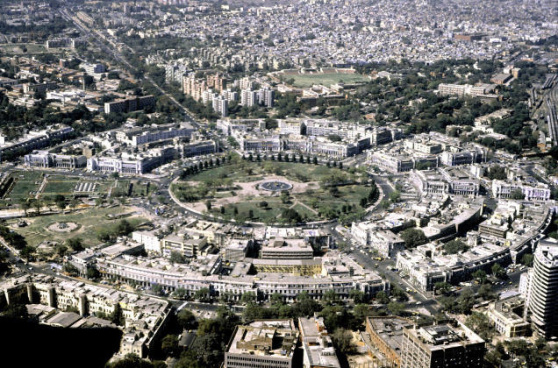
Urban development often emphasises infrastructure investment, technology adoption, and network expansion. While these elements are important, history and global experience show that the success of cities hinges on their ability to serve the residents effectively. Roads, public transit systems, pedestrian pathways, and cycling networks are only as successful as the people they serve.
A citizen-centric approach begins with asking fundamental questions: Who are we designing these systems for? Do our roads, transport networks, and public spaces reflect the needs of all users— pedestrians, cyclists, commuters, and commercial vehicles?
In Haryana, urban areas such as Gurugram, Faridabad, and Panchkula are witnessing increased traffic density, diverse mobility patterns, and complex commuting behaviours. Planning without accounting for citizen behaviour leads to inefficiencies, congestion, and accidents. For example, urban roads designed without considering pedestrian pathways or cycling lanes often result in avoidable accidents, despite technically sound engineering.
Lessons from history
India’s experience with planned cities highlights a key insight: where citizencentric planning was prioritised, cities thrived; where it was neglected, urban projects often failed. Policies and infrastructure are only effective when aligned with local societal norms, residents’ conduct, and behavioural patterns. Regulations, no matter how stringent, are difficult to enforce if they are disconnected from citizen realities.
For Haryana, this means integrating citizen behaviour data into mobility planning. Traffic studies, pedestrian flow analysis, and commuter surveys should inform road designs, traffic signal planning, and public transport routes.
Challenges in urban mobility
Despite significant investments, Indian cities, including those in Haryana, continue to face mobility challenges:
• High accident rates: Urban roads often rank among the most dangerous globally due to poor design and a lack of user-centric planning.
• Traffic congestion: Rapid urbanisation, coupled with rising vehicle ownership, strains existing infrastructure.
• Inefficient public transport: Fragmented services and limited coverage reduce public transport usage.
• Environmental impact: Unregulated vehicular emissions contribute to air pollution and health risks.
• Citizen disengagement: Lack of awareness and participation by residents undermines the effectiveness of policies.
These challenges highlight the urgent need for a holistic, citizen-focused approach that integrates planning, policy, education, and engagement.
Principles of citizen-centric urban mobility
To achieve effective and sustainable urban mobility, Haryana can adopt the following principles:
1. Inclusive Planning: Design transportation networks that cater to diverse users, including pedestrians, cyclists, public transport commuters, and private vehicle users. Infrastructure must reflect the real needs of citizens, not just technical specifications.
2. Data-Driven Policy: Leverage traffic analytics, mobility surveys, and real time monitoring to inform policy and planning decisions. Understanding citizen behaviour is crucial for safety, efficiency, and accessibility.
3. Integrated Public Transport: Develop seamless multimodal transit options that connect urban centres with satellite towns and industrial zones, reducing dependency on private vehicles.
4. Safety and Accessibility: Prioritise pedestrian-friendly streets, proper lighting, safe crossings, and accessible infrastructure for differently-abled residents. Citizen safety must be a core design parameter.
5. Sustainability: Promote non-motorised transport, electric vehicles, and low-emission zones to reduce environmental impact and improve urban livability.
6. Citizen Engagement: Encourage active participation through public consultations, digital feedback platforms, and community awareness campaigns. Citizens should be partners, not passive beneficiaries, in urban mobility initiatives.
7. Education and Behaviour Change: Long-term success depends on cultivating responsible citizen behaviour.
8. Schools, colleges, and community programs should teach consideration for others, adherence to traffic rules, and environmental responsibility.
Case study: roads and public safety
Urban roads illustrate the consequences of neglecting citizencentric planning. Investment in road infrastructure alone is insufficient if designs fail to account for user diversity. High pedestrian traffic, mixed vehicle types, and inadequate safety features lead to accidents and fatalities. According to industry studies, India has some of the most dangerous urban roads in the world, highlighting the urgent need for citizen-focused mobility solutions.
Haryana’s municipal authorities can adopt modern road safety measures such as:
• Designing separate lanes for pedestrians, cyclists, and vehicles
• Implementing smart traffic management systems
• Ensuring timely maintenance and clear signage
• Conducting citizen awareness programs on safe road use
The role of governance
Government policies must reflect citizen-centric principles. Regulations, traffic rules, and urban mobility plans must be enforceable, context-sensitive, and aligned with citizens’ everyday behaviours. Coordination among municipal corporations, state authorities, and industrial stakeholders is critical to ensure seamless planning and implementation.
Moreover, public-private partnerships can accelerate innovation in urban mobility, introducing solutions such as shared mobility services, smart parking, and intelligent transport systems. These initiatives should always be designed with citizen convenience, safety, and accessibility as the priority.
Also Read: Sanath Road: Gurugram’s First Complete Street
Towards a citizen-centric mobility ecosystem
Urban mobility in Haryana is at a crossroads. Investments in roads, public transport, and technology are necessary but insufficient unless planning and execution are truly citizen-centric. By integrating inclusive design, policy reforms, citizen engagement, and behavioural education, Haryana can transform its urban mobility ecosystem into a model of safety, efficiency, and sustainability.
The success of cities is measured not just by infrastructure but by the quality of life experienced by their residents. In Haryana, prioritising citizen-centric urban mobility will not only improve transport outcomes but also foster a culture of responsible, engaged, and forward-thinking citizens—the true foundation of sustainable urban development.
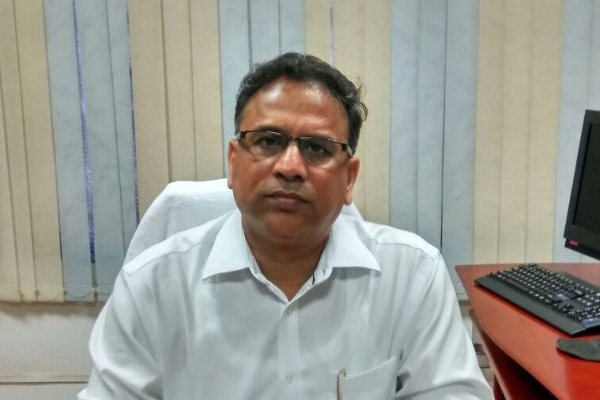
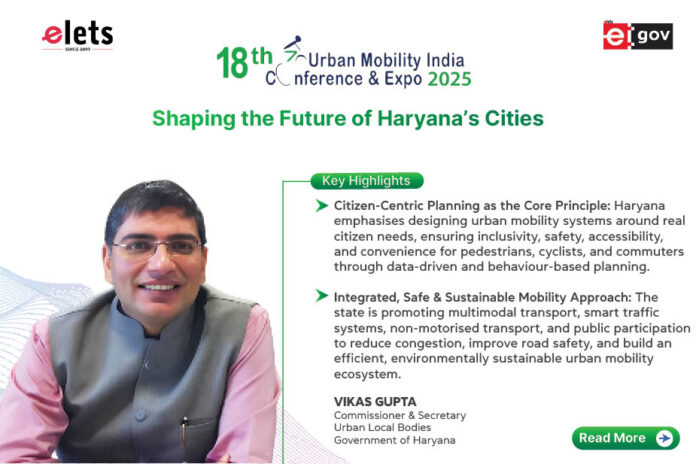
These views were expressed by Shri Vikas Gupta, Commissioner & Secretary, Urban Local Bodies, Government of Haryana, during his special address at the Elets Urban Innovation & Infrastructure Summit 2025.