India’s mobility landscape is evolving rapidly, driven by a broader e-mobility vision that extends beyond electric vehicles. It reflects the integration of digital governance, industrial policy, and sustainability into a unified framework. This shift is shaping a future that is cleaner, more efficient, and aligned with long-term development goals. As mobility demands grow, this holistic approach is becoming increasingly important.
A key transformation is visible in governance systems. The adoption of digital tools such as e-office platforms has significantly improved administrative efficiency across departments. These systems have enabled faster decision-making, seamless file movement, and reduced dependency on physical processes. Even during the COVID-19 pandemic, digital governance ensured operational continuity without disruption.
Policy priorities have also undergone a major shift over the past decade. Earlier, efforts were largely focused on supporting public sector enterprises that required financial backing. Today, the focus has moved toward strengthening the automobile sector, particularly e-mobility. This reflects a more strategic and future-oriented policy direction.
Another important change is in the approach to incentives. The government is moving away from the traditional concept of subsidies and instead promoting demand-based incentives. Structured schemes like the transition from FAME to the PM E-Drive initiative highlight this evolution. These efforts are aimed at encouraging market adoption while supporting domestic manufacturing under the Make in India vision.
Infrastructure development continues to play a critical role in this transition. The expansion of EV charging networks across the country is essential for increasing adoption and achieving sustainability targets. Without adequate infrastructure, large-scale electrification of mobility cannot be realised. This makes infrastructure a key enabler of policy success.
States are also playing a proactive role in driving e-mobility forward. Regions like Telangana have demonstrated a strong commitment through policy implementation and digital innovations. Their efforts focus on improving the ease of doing business as well as enhancing the user experience for drivers and citizens. This collaborative approach between the Centre and states is crucial for effective execution.
The broader vision is closely aligned with India’s goal of becoming a developed nation by 2047. Industrialisation remains central to this ambition, but with a growing emphasis on sustainability. There is a clear push to reduce dependence on crude oil imports and promote cleaner energy alternatives. This ensures both economic and environmental benefits.
At the same time, India is focusing on integrating with global value supply chains. Strengthening domestic capabilities in critical components is becoming increasingly important. Challenges such as the availability of rare earth materials for EV technologies have led to targeted policy interventions. These steps aim to boost indigenous manufacturing and reduce external dependencies.
The upcoming National Manufacturing Mission reflects a more comprehensive approach to industrial growth. It goes beyond policy announcements by focusing on continuous support and handholding. Industries are being guided at every stage, from planning to execution. This ensures that businesses are better equipped to scale and compete globally.
Technology and talent are emerging as strong drivers of this transformation. Advanced tools like artificial intelligence are playing a growing role in mobility and manufacturing. India’s large pool of engineers and innovators provides a strong foundation for growth. This talent is increasingly being channelled into deep-tech and high-impact sectors.
Initiatives such as Startup India further strengthen this ecosystem. Increased investments and policy support are encouraging innovation across industries. These efforts are helping create a dynamic environment for next-generation mobility solutions. As a result, India is positioning itself as a key player in the global mobility landscape.
Overall, India’s e-mobility journey is holistic and forward-looking. It combines governance reforms, infrastructure expansion, industrial strategy, and technological advancement. The focus on clean energy and self-reliance remains central to this transformation. Mobility, in this context, is emerging as a key driver of sustainable economic growth.
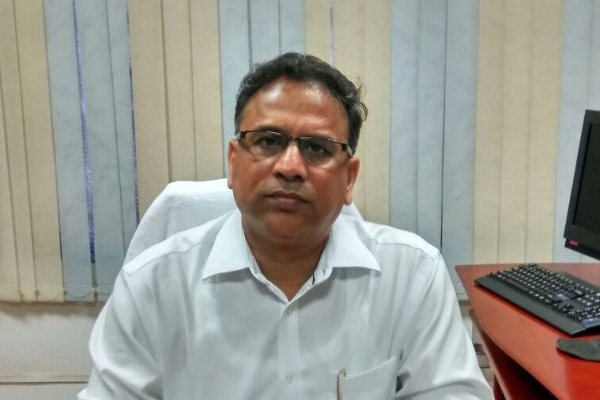
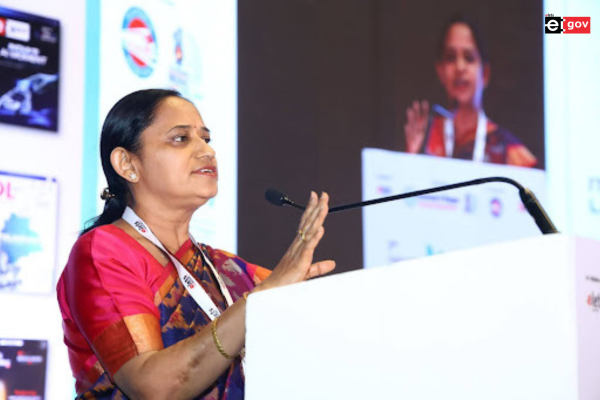
Insights shared by Dr Renuka Mishra, Economic Adviser, Ministry of Heavy Industries, Government of India, at the 2nd Elets National Mobility Summit held on 17 March in Hyderabad.